Optimizing Your Home: Central Air Replacement Guide
Embark on a journey through the world of central air replacement, where we unravel the complexities and necessities of upgrading your home's cooling system. This guide will equip you with valuable insights and practical tips to make informed decisions for a comfortable living environment.
Whether you're a seasoned homeowner or a first-time buyer, understanding the nuances of central air replacement is crucial for maintaining optimal indoor comfort and energy efficiency.
What is Central Air Replacement?

Central air replacement refers to the process of completely removing an existing central air conditioning system and replacing it with a new one. This is typically done when the current system is old, inefficient, or no longer functioning properly.
Process of Replacing a Central Air System
Replacing a central air system involves several key steps:
- Assessment: A professional HVAC technician assesses the existing system to determine the best replacement option.
- Removal: The old system is removed carefully to make way for the new one.
- Installation: The new central air system is installed, including the condenser, evaporator coil, and ductwork.
- Testing: The system is tested to ensure it is working efficiently and effectively.
- Finishing touches: Any necessary adjustments or modifications are made to optimize the system's performance.
Key Components Involved in Central Air Replacement
Several key components play a crucial role in central air replacement:
- Condenser: The outdoor unit that releases heat absorbed from inside the home.
- Evaporator Coil: The indoor unit that cools and dehumidifies the air before circulating it back into the home.
- Ductwork: The network of ducts that distribute cooled air throughout the home.
- Thermostat: The control unit that allows homeowners to set and adjust the desired temperature.
Comparison to Repair and Maintenance Services
Central air replacement differs from repair and maintenance services in that it involves completely replacing the entire system rather than just fixing specific issues. While repairs and maintenance can extend the life of a central air system, replacement is often necessary when the system is no longer efficient or cost-effective to repair.
Signs You Need Central Air Replacement

When it comes to central air systems, recognizing the signs that indicate the need for replacement is crucial to maintaining a comfortable indoor environment. Ignoring these signs can lead to increased energy bills, poor air quality, and potential breakdowns. Here are some common signs that you may need to replace your central air system:
Age of the System
One of the most obvious signs that it may be time to replace your central air system is its age. Most systems have a lifespan of around 10-15 years, and as they age, they become less efficient and more prone to breakdowns.
If your system is nearing or exceeding this age range, it might be time to consider a replacement.
Frequent Repairs
If you find yourself constantly calling for repairs on your central air system, it may be more cost-effective in the long run to replace the entire system. Frequent breakdowns and repairs can add up quickly, and a new system can provide more reliable cooling without the hassle of constant maintenance.
Rising Energy Bills
An inefficient central air system can lead to higher energy bills as it struggles to cool your home effectively. If you've noticed a significant increase in your energy costs without a corresponding change in usage, your system may be working harder than it should.
Replacing it with a newer, more energy-efficient model can help lower your monthly utility bills.
Inconsistent Cooling
If you're experiencing uneven temperatures throughout your home or certain rooms that just won't cool down, it could be a sign that your central air system is struggling to distribute air properly. This could be due to ductwork issues or an aging system that can no longer keep up with your cooling needs.
Poor Air Quality
An old central air system can contribute to poor indoor air quality by circulating dust, allergens, and other contaminants throughout your home. If you've noticed an increase in allergy symptoms or dust buildup, it may be time to replace your system with one that can filter and clean the air more effectively.
Types of Central Air Systems for Replacement
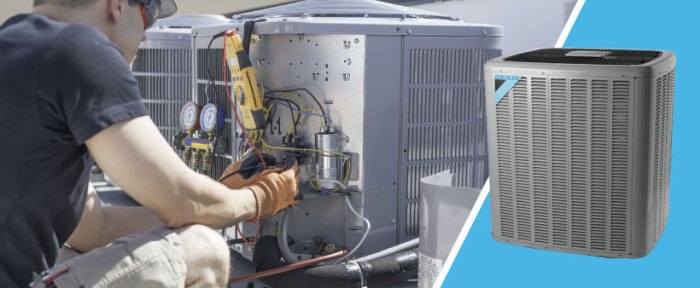
When it comes to replacing your central air system, there are several types to choose from. Each type has its own set of features and benefits, making them suitable for different home setups.
1. Split System
- Consists of an outdoor unit (condenser) and an indoor unit (evaporator coil).
- Ideal for homes with existing ductwork.
- Provides efficient cooling and heating.
2. Packaged System
- All components (compressor, condenser, and evaporator) are housed in a single unit.
- Suitable for homes without a basement or limited indoor space.
- Easy to install and maintain.
3. Ductless Mini-Split System
- Consists of an outdoor unit connected to one or more indoor air handlers.
- Perfect for homes without ductwork or room additions.
- Allows for personalized comfort in different zones.
4. Geothermal System
- Utilizes the stable temperature of the ground for heating and cooling.
- Highly energy-efficient and environmentally friendly.
- Requires a significant upfront investment but offers long-term savings.
5
. Hybrid System
- Combines a traditional furnace with an electric heat pump.
- Adapts to changing weather conditions for optimal efficiency.
- Ideal for regions with extreme temperature variations.
Cost Factors and Budgeting

When it comes to central air replacement, understanding the cost factors and budgeting is crucial for a smooth and successful process. The total cost of replacing a central air system can vary based on several key factors. Let's delve into the details.
Factors Affecting Cost
- Size of the System: The size of the central air system needed for your home will significantly impact the cost. Larger homes require more powerful and expensive units.
- Efficiency Rating: Higher efficiency ratings often come with a higher price tag upfront, but they can lead to long-term savings on energy bills.
- Installation Complexity: If your home's layout or existing ductwork requires complex installation work, the cost may increase.
- Brand and Quality: Different brands and quality levels of central air systems come at different price points, affecting the total cost.
- Additional Features: Features like zoning systems, air purifiers, and smart thermostats can add to the overall cost of the replacement.
Tips for Budgeting
- Get Multiple Quotes: It's essential to get quotes from several reputable HVAC contractors to compare prices and services.
- Consider Financing Options: Explore financing options or rebates offered by manufacturers or utility companies to help manage the cost.
- Plan Ahead: Budgeting for central air replacement in advance can help you avoid financial stress when the time comes for installation.
- Factor in Maintenance Costs: Remember to include ongoing maintenance costs in your budget to ensure the longevity of your new central air system.
Estimating Total Cost
One way to estimate the total cost of replacing a central air system is to consider the average cost of units in your area, add installation costs, and account for any additional features or upgrades you desire.
Hiring Professionals for Central Air Replacement

When it comes to central air replacement, hiring certified technicians is crucial to ensure the job is done correctly and safely. These professionals have the knowledge, skills, and experience to handle the installation process efficiently, minimizing the risk of errors or accidents.
The Importance of Hiring Certified Technicians
- Certified technicians have undergone training and have the necessary qualifications to perform central air replacement.
- They are familiar with the latest technologies and best practices in the HVAC industry, ensuring a high-quality installation.
- Professional technicians can identify any underlying issues with your current system and address them during the replacement process.
Tips for Selecting a Reputable HVAC Company
- Research and compare multiple HVAC companies in your area to find one with a good reputation and positive customer reviews.
- Check for proper licensing and insurance to ensure the company meets all legal requirements.
- Ask for references from past clients to get an idea of the quality of service provided by the company.
- Get detailed written estimates from different companies and compare prices and services before making a decision.
Benefits of Professional Installation versus DIY Approaches
- Professional installation ensures that the central air system is installed correctly, maximizing its efficiency and longevity.
- DIY approaches can lead to mistakes that may cause damage to the system or compromise its performance.
- Professional technicians can provide warranty coverage and ongoing maintenance services to keep your system running smoothly.
Maintenance Tips for Prolonging the Life of a Replaced Central Air System

Regular maintenance is key to ensuring the longevity and efficiency of your newly replaced central air system. By following a few simple tips and staying proactive with upkeep, you can maximize the lifespan of your system and avoid costly repairs.
Importance of Regular Maintenance
Regular maintenance not only helps prevent breakdowns and costly repairs but also ensures that your central air system operates at peak efficiency. This can lead to lower energy bills and a more comfortable indoor environment.
Maintenance Checklist
- Change air filters regularly: Dirty filters can restrict airflow and strain the system. Check and replace filters every 1-3 months, depending on usage.
- Clean the outdoor unit: Remove debris, leaves, and dirt from the outdoor unit to prevent airflow blockages and improve efficiency.
- Inspect ductwork: Check for leaks, gaps, or damage in the ductwork that could lead to energy loss. Seal any leaks promptly.
- Monitor thermostat settings: Keep an eye on the thermostat settings to ensure they are appropriate for your comfort and energy efficiency.
- Schedule professional maintenance: Hire a professional HVAC technician to perform annual maintenance, including cleaning, inspection, and tune-up of the system.
End of Discussion

In conclusion, central air replacement is a significant investment that can enhance the quality of your living space. By staying informed and proactive, you can ensure a smooth transition to a more efficient and reliable cooling system. Explore the possibilities today and take the first step towards a cooler, more comfortable home.
General Inquiries
What is the average lifespan of a central air system?
The average lifespan of a central air system is around 15-20 years, depending on usage and maintenance.
Can I replace only certain components of my central air system instead of the entire system?
While it's possible to replace individual components, it's often more cost-effective in the long run to replace the entire system for optimal performance.
How can I improve the energy efficiency of my new central air system?
You can improve energy efficiency by ensuring proper insulation, regular maintenance, and investing in a programmable thermostat.
Should I choose a high-efficiency central air system for replacement?
Opting for a high-efficiency system may have a higher upfront cost but can lead to long-term energy savings and better performance.
Is it necessary to hire professionals for central air replacement, or can I attempt it as a DIY project?
It's highly recommended to hire certified technicians for central air replacement to ensure proper installation and warranty coverage.